
Platelet-Rich Plasma (PRP) Therapy in St. Louis, MO
Your knee aches every time you stand. The anti-inflammatories help for an hour, then it returns. PRP therapy uses your own platelets to signal real repair where the damage lives.
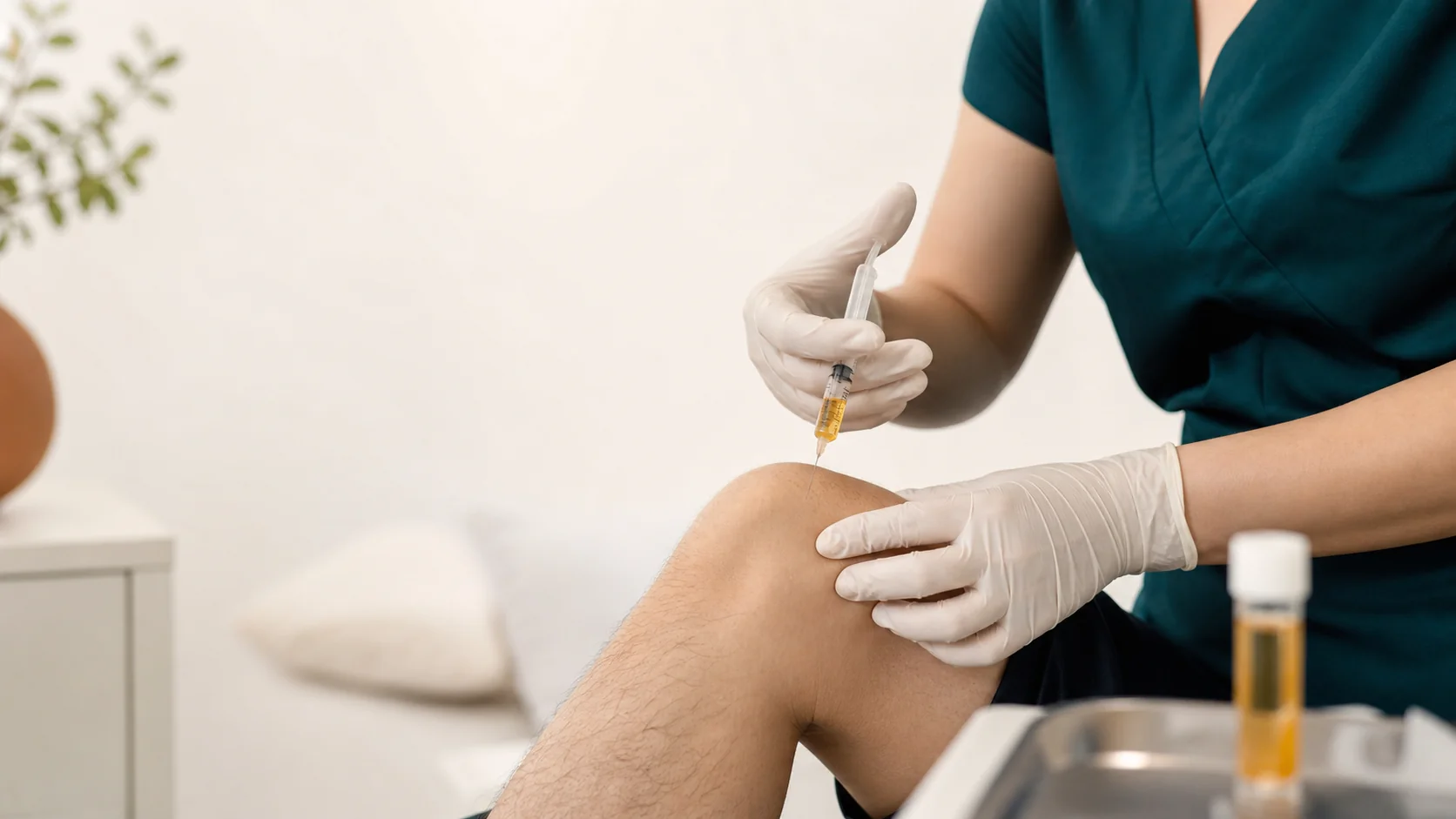
Platelet-rich plasma (PRP) therapy is a non-surgical injection that concentrates the healing platelets from your own blood and delivers them into an injured joint, tendon, or ligament. The platelets release growth factors that reduce inflammation and stimulate tissue repair, easing pain without medication or surgery.
You have iced it, rested it, and taken the pills your doctor suggested. The knee, the elbow, or the shoulder still flares the moment you ask anything of it. That cycle is exhausting, and it is not a sign you are imagining the problem. It usually means the tissue itself has not healed, and masking the pain was never going to fix that.
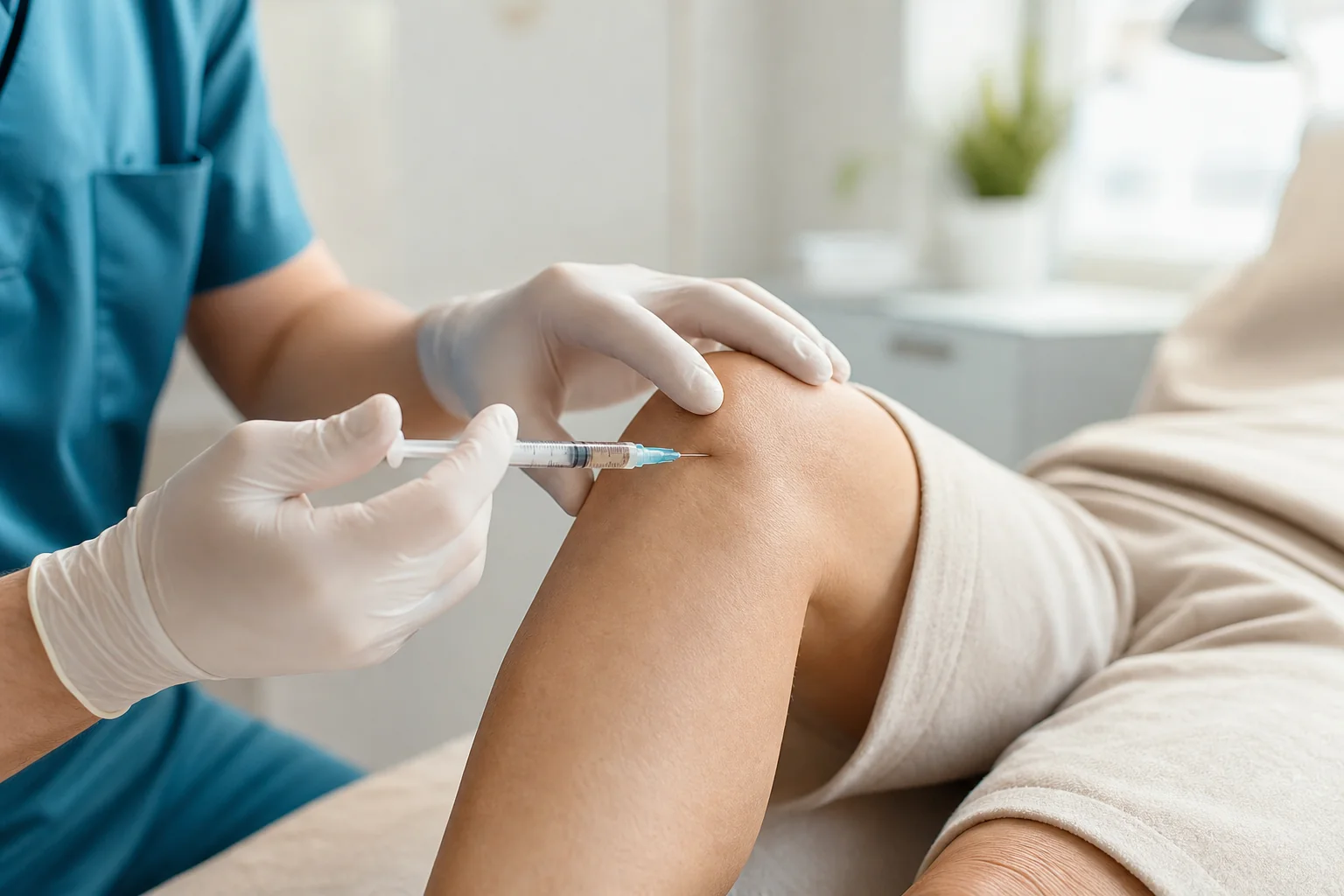
PRP therapy takes a different approach. We draw a small amount of your blood, concentrate the platelets that carry your body's repair signals, and inject that concentrate precisely into the injured area. There is no foreign substance and no operating room. At St. Louis Pain Center, PRP is one of the drug-free, surgery-free tools we use to treat the cause of joint and tendon pain. Our orthopedic program builds each plan around your specific injury. Your first consultation and screening are complimentary.
Part of our Orthopedic Clinic services at St. Louis Pain Center.
- Treats
- Knee pain, joint pain, tendon injuries, early osteoarthritis
- Approach
- Yes, a single injection, no surgery and no medication
- Session length
- About 45 to 60 minutes per visit
- Typical protocol
- Often a short series of injections, spaced over weeks
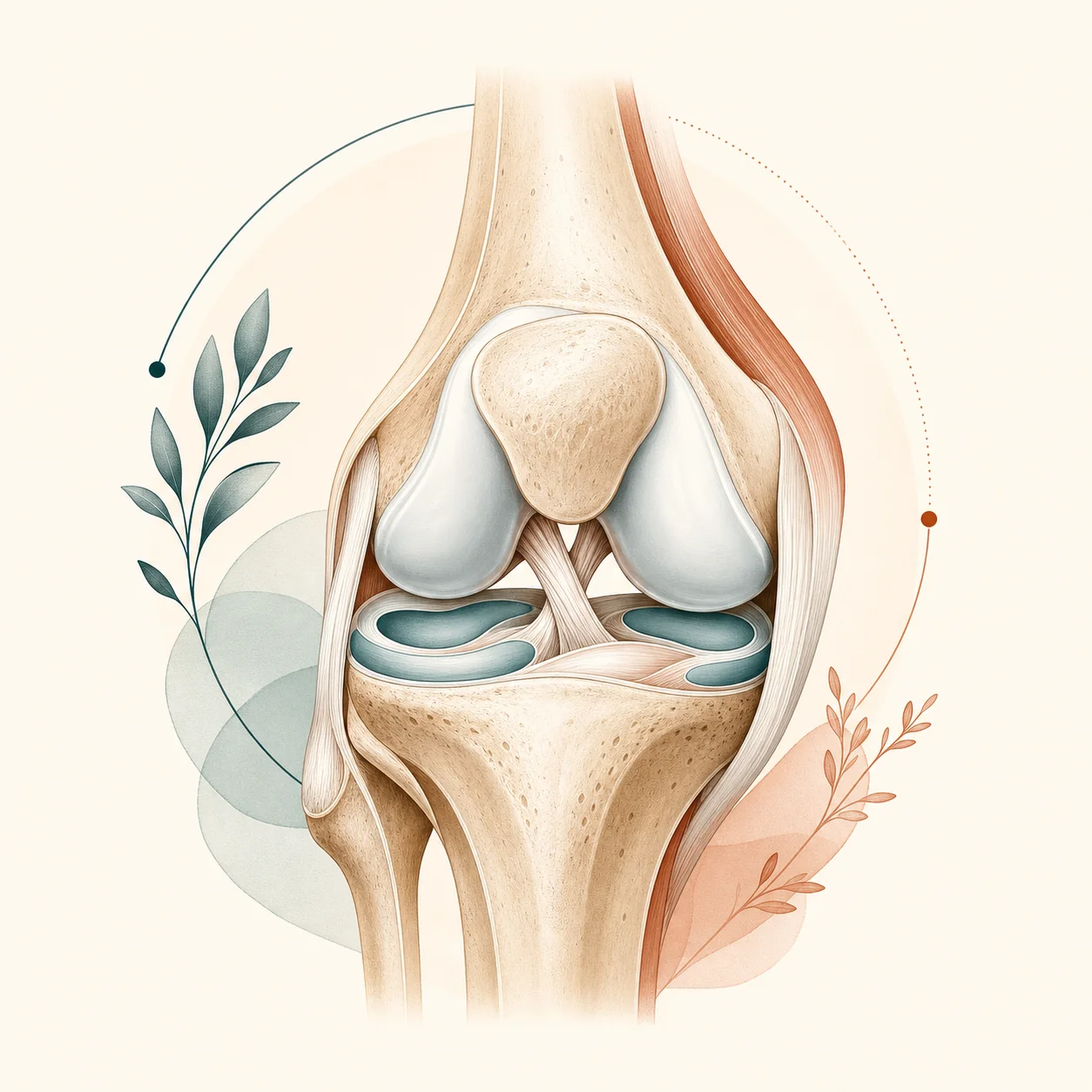
What Is PRP Therapy?
Platelet-rich plasma (PRP) therapy is a non-surgical injection that concentrates the platelets from a small sample of your own blood and delivers them into an injured joint, tendon, or ligament. The platelets release growth factors that reduce inflammation and trigger your body's natural repair process, the mechanism described in the AAOS guide to platelet-rich plasma treatment.
Here is what makes it different from a steroid shot. A cortisone injection quiets inflammation but does nothing to rebuild tissue, and repeated use can weaken the joint over time. PRP works with your biology instead of against it. We spin your blood in a centrifuge to separate and concentrate the platelets, then guide the injection into the exact spot that needs help. Some patients also ask about A2M (alpha-2-macroglobulin), a related blood-derived approach we can discuss during your screening. You may feel some soreness for a day or two as the repair response kicks in, which is normal and expected.
Conditions We Treat with PRP Therapy in St. Louis
PRP is a strong fit for pain that comes from worn, strained, or partially torn tissue. These are the conditions we treat most often.
Knee Pain and Early Osteoarthritis
When cartilage thins and the knee aches with every stair, PRP can calm inflammation and support the surrounding tissue. It is often considered for patients with knee pain who want to delay or avoid a knee replacement.
Joint Pain Across the Body
Hips, shoulders, and ankles all respond to the same repair signals. PRP delivers concentrated growth factors right where the joint is breaking down, which is why it pairs well with our broader joint pain care.
Tendon and Ligament Injuries
Stubborn tendon problems, like tennis elbow or a strained rotator cuff, often heal slowly because tendons get poor blood flow, a pattern common to many overuse injuries. PRP brings the healing factors to a site that the body struggles to reach on its own.
Nerve-Related Pain
Because PRP supports tissue and circulation, it can play a role in nerve recovery. We sometimes combine it with our neuropathy program for patients dealing with neuropathy.
Why Choose St. Louis Pain Center for PRP?
For more than five years, our team has helped South County patients move past the medicate-or-operate dead end. We believe you should understand exactly what PRP can and cannot do before you start, so we explain the process, the expected timeline, and the honest limits during your free screening. Our focus is durable relief that lets you get back to your life, not a quick fix that fades by the weekend. PRP is one part of the larger toolkit at our orthopedic clinic, and we will tell you plainly if another option suits you better.
Convenient Access from South County
We proudly serve patients throughout St. Louis and the surrounding South County communities, including Oakville, Mehlville, Affton, and Lemay. Located at 4455 Telegraph Rd #250, St. Louis, MO 63129, we are minutes from Jefferson Barracks and Cliff Cave Park, with easy access from I-255 and I-55. South County is an active community, and we see plenty of weekend athletes and lifelong gardeners whose joints have simply earned their wear. We are here on Telegraph Road when those joints need real repair.
Schedule Your PRP Therapy Appointment
If joint or tendon pain has stalled your routine, find out whether PRP is the right next step. Your consultation and screening are complimentary, and you will leave knowing your options. Call (314) 846-2100 or request an appointment online.
Related Services
Many PRP patients also benefit from joint lubrication therapy for knee cushioning or from treatments that rebuild worn tissue when deeper tissue repair is needed. These three treatments form the core of our orthopedic care.
Part of Our Complete Orthopedic Program
PRP is one piece of the non-surgical joint and tissue program at our orthopedic clinic in St. Louis. Explore the full range to see how the pieces fit your recovery.
Conditions we treat with prp therapy.
 Condition we treat
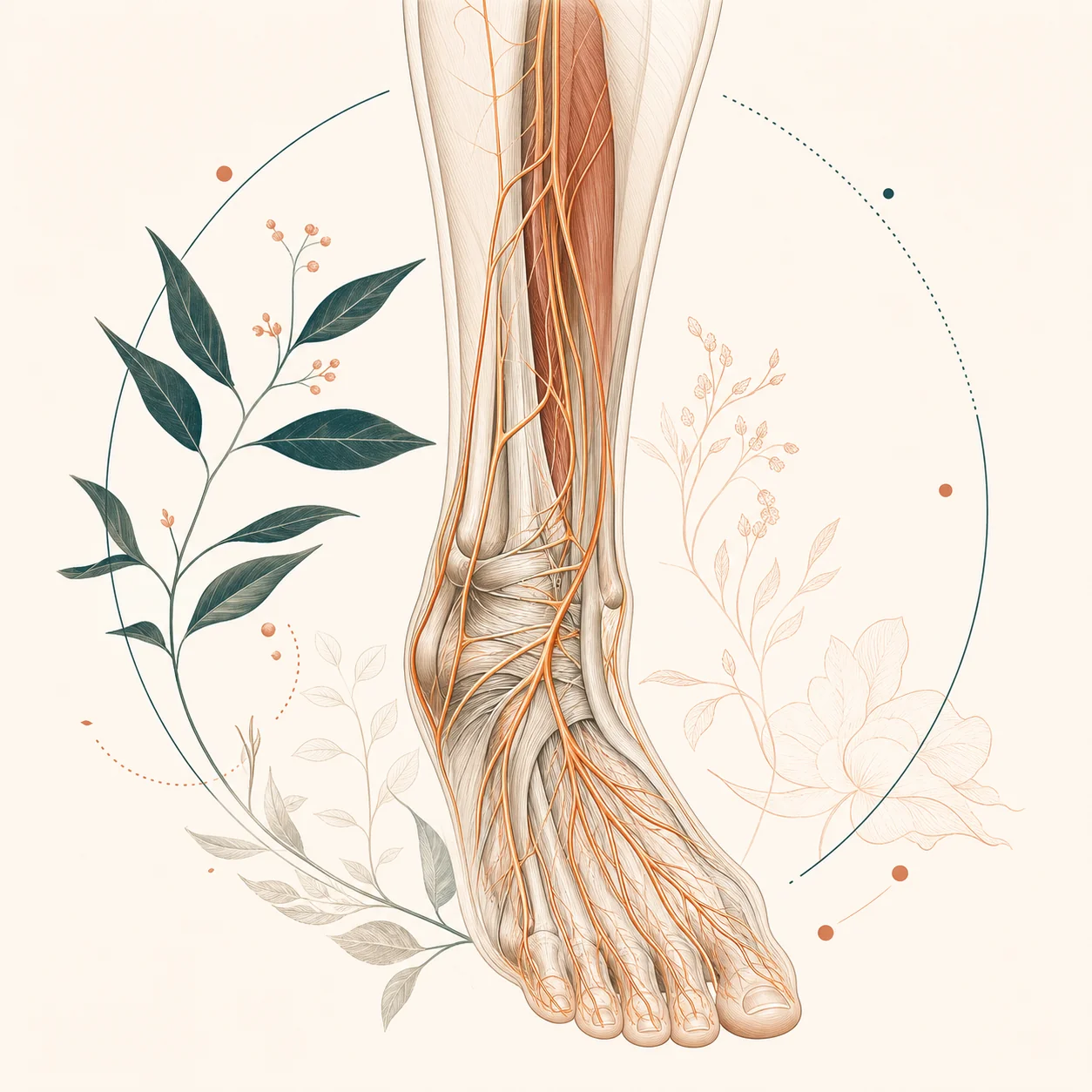
 Neuropathy
4 treatment options for neuropathy at our clinic.
See treatments → Condition we treat Knee Pain
3 treatment options for knee pain at our clinic.
See treatments →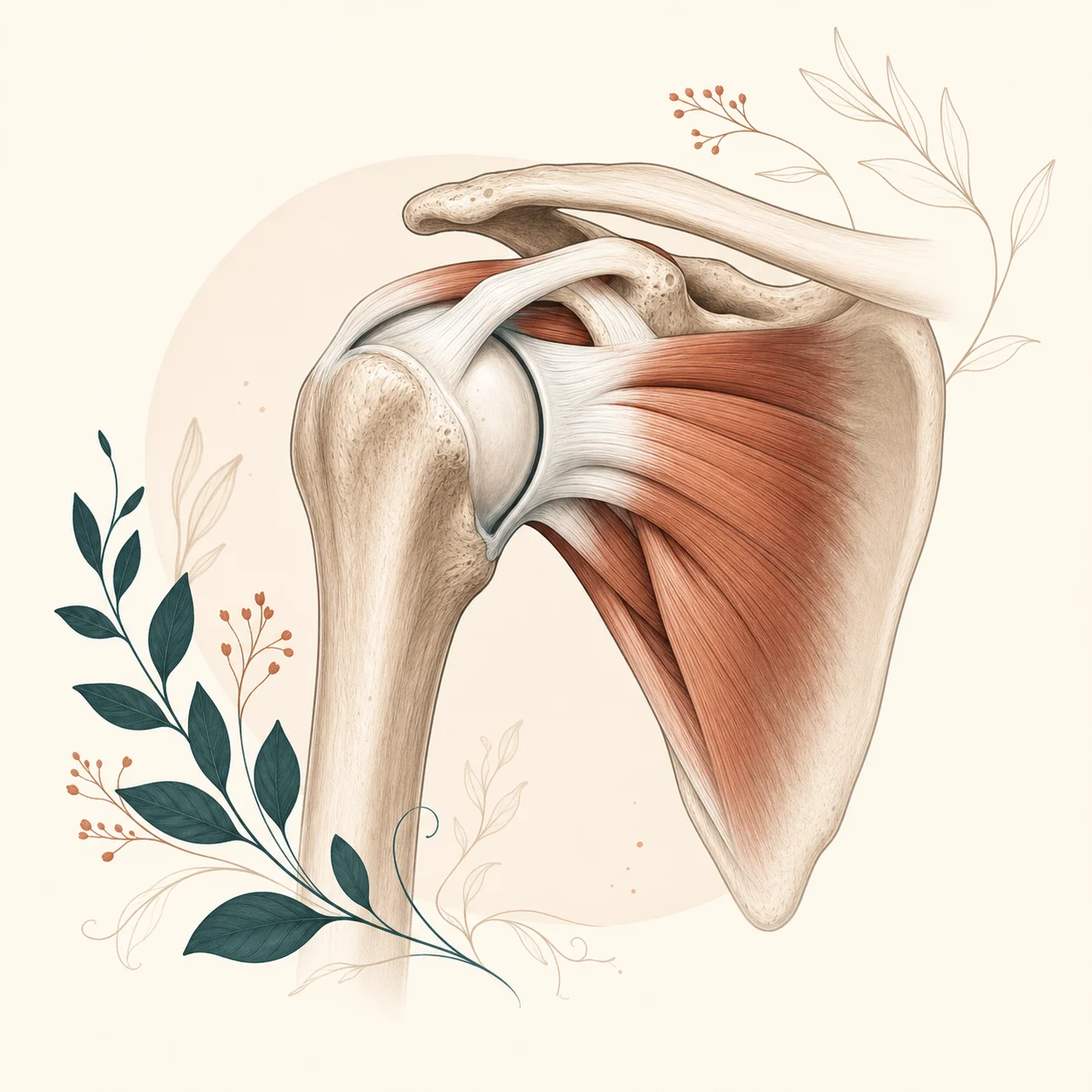 Condition we treat
 Shoulder Pain
3 treatment options for shoulder pain at our clinic.
See treatments →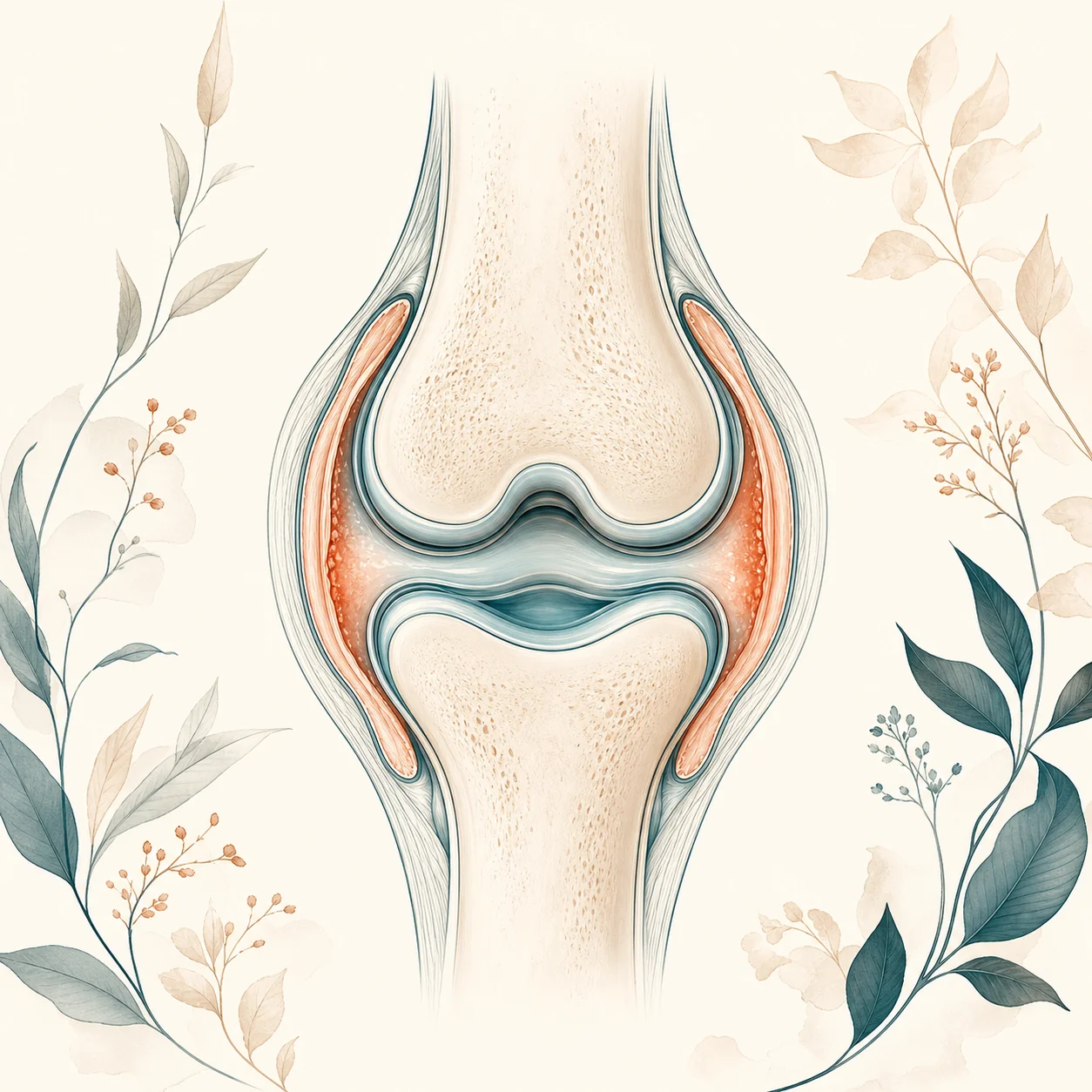 Condition we treat
 Joint Pain
3 treatment options for joint pain at our clinic.
See treatments → Condition we treat
 Neck Pain
3 treatment options for neck pain at our clinic.
See treatments → Condition we treat
 Chronic Pain
3 treatment options for chronic pain at our clinic.
See treatments →Advantages of PRP Therapy at St. Louis Pain Center
It Uses Your Own Biology
Because PRP comes from your own blood, there is no risk of rejection and no synthetic medication. The growth factors are yours, concentrated and placed where the damage is. That is repair, not a chemical mask over the symptom.
Drug-Free and Surgery-Free
No incisions, no general anesthesia, and no opioid prescription to manage afterward. Most patients return to light activity quickly and avoid the long downtime that surgery demands.
Targeted, Not Generic
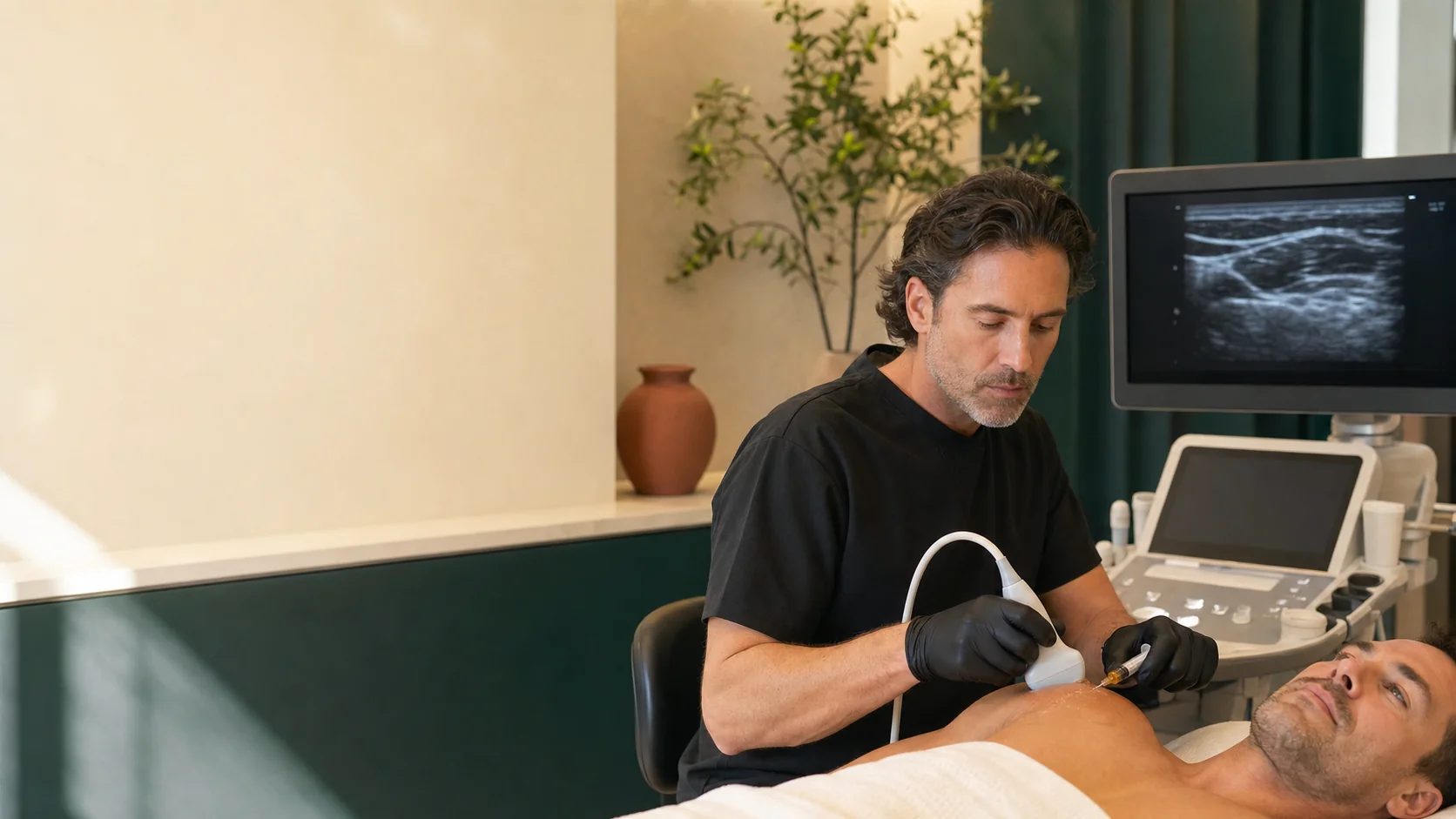
We do not give the same injection to every patient. Your plan is built around imaging, your history, and the specific joint or tendon involved.
What to expect, step by step.
A clear path from your first call to lasting relief, with no pressure to commit on day one.
Free consultation and screening
We review your history and confirm whether prp therapy is the right fit for your pain. No referral required.
Build your targeted plan
Your plan is built around imaging, your history, and the specific area involved, not a one-size-fits-all package.
Begin drug-free, surgery-free care
We deliver prp therapy precisely where it is needed, working with your biology instead of masking the symptom.
Track progress toward lasting relief
We adjust as your tissue responds, with the goal of durable relief that lets you get back to your routine.
Frequently Asked Questions
PRP delivers concentrated platelets into the knee, where their growth factors reduce inflammation and support cartilage and surrounding tissue. For patients with early osteoarthritis, it can ease pain and help delay more invasive options. We confirm whether your knee is a good fit during your free screening.
PRP uses your own blood, so the risk of allergic reaction or rejection is very low. The most common effect is short-term soreness at the injection site as the repair response begins. We review your health history first to confirm it is appropriate for you.
Many patients receive a short series of injections spaced over several weeks, but the exact number depends on the joint and how it responds. We set a realistic plan at your consultation rather than committing you to a fixed package upfront.
PRP is often considered elective and may not be covered by insurance. We explain the full cost during your consultation so you can decide with clear information. If you also ask about our gel-shot program, coverage rules can differ.
Yes. PRP pairs well with regenerative joint therapy and, for knee osteoarthritis, with gel injections. We design combined plans when the evidence and your condition support it.
Other options to explore.

See If PRP Is Right for Your Joint
Book your complimentary consultation and screening, no referral required.